

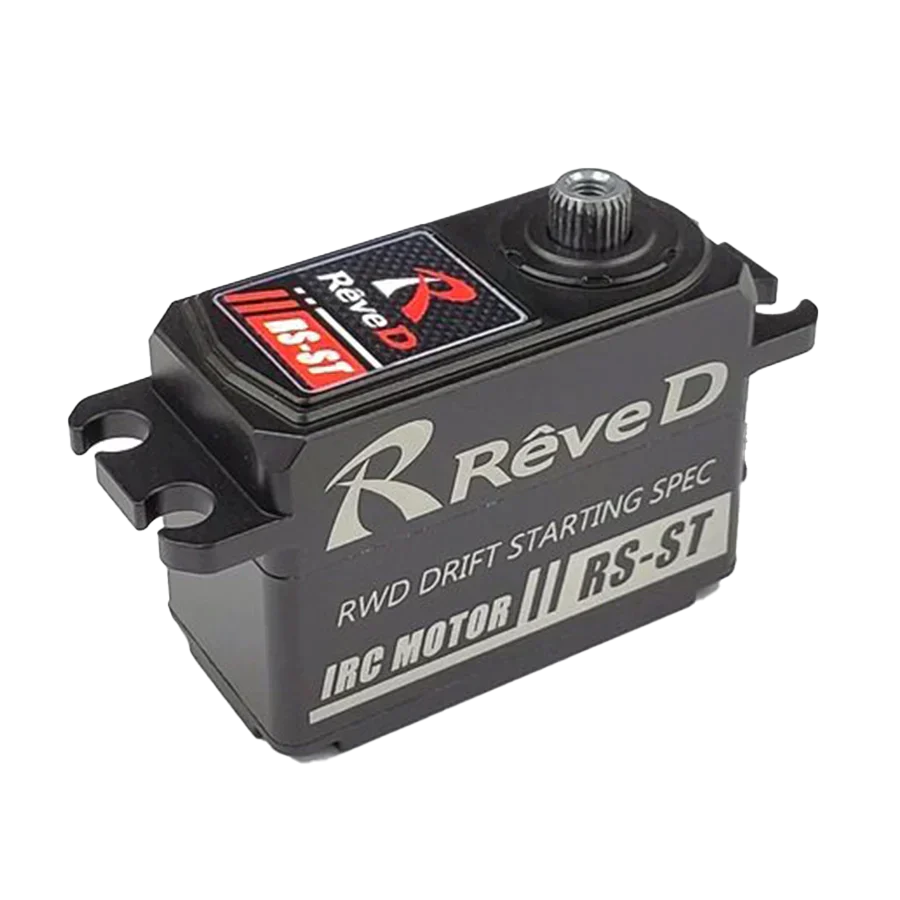
Understanding the relationship between voltage and torque is crucial when selecting and optimizing servos for your RC car. Whether you're upgrading your steering system or fine-tuning performance, knowing how voltage impacts servo behavior will help you make informed decisions.
What is RC Servo Torque?
Servo torque measures the rotational force a servo can apply, typically expressed in kg-cm (kilogram-centimeters) or oz-in (ounce-inches). Higher torque means the servo can move heavier loads or overcome greater resistance—essential for larger RC vehicles or demanding applications like rock crawling.

How Voltage Affects Servo Performance
Voltage is the primary factor that determines both the torque output and speed of your RC servo. Most hobby-grade servos are designed to operate within a specific voltage range, typically 4.8V to 7.4V.
Key Voltage Effects:
- Higher Voltage = More Torque: Increasing voltage directly increases the servo's torque output, often by 20-30% when moving from 6V to 7.4V
- Higher Voltage = Faster Speed: Servos respond more quickly and move faster at higher voltages
- Voltage Limits: Exceeding the manufacturer's maximum voltage rating can damage the servo motor or electronics
- Heat Generation: Higher voltage increases power consumption and heat, requiring adequate cooling in demanding applications
Common RC Servo Voltage Ranges
Standard Voltage (4.8V - 6.0V):
- Typical for entry-level and mid-range servos
- Compatible with standard 4-cell NiMH receiver packs (4.8V)
- Balanced performance for most applications
- Lower heat generation and power draw
High Voltage (7.4V):
- Designed for high-performance and competition use
- Requires 2S LiPo receiver batteries or voltage regulators
- Delivers maximum torque and speed
- Best for large-scale models, rock crawlers, and racing
- Generates more heat—ensure proper ventilation

Torque vs Speed: Finding the Right Balance
While voltage increases both torque and speed, different applications require different priorities:
When to Prioritize Torque:
- Rock crawling and trail trucks requiring precise, powerful steering
- Large-scale RC vehicles (1/5 scale and above)
- Heavy vehicles with aggressive tire setups
- Applications with high mechanical resistance
When to Prioritize Speed:
- On-road racing requiring quick steering response
- Drift cars needing rapid corrections
- Lightweight buggies and touring cars
- Competitive racing where reaction time matters
Choosing the Right Voltage for Your Servo
Consider These Factors:
- Servo Specifications: Always check the manufacturer's voltage range and torque ratings at different voltages
- Receiver Compatibility: Ensure your receiver and BEC can supply adequate voltage and current
- Vehicle Type: Larger, heavier vehicles benefit from high-voltage servos
- Battery System: Match your servo voltage to your available receiver battery options
- Heat Management: High-voltage operation requires monitoring servo temperature
Practical Tips for Optimizing Servo Performance
- Use a voltage regulator or dedicated receiver battery to maintain consistent voltage under load
- Monitor servo temperature during extended use, especially at high voltage
- Ensure your BEC or receiver battery can supply sufficient current (typically 2-4A for high-torque servos)
- Consider servo savers or limiting steering throw to reduce mechanical stress
- Upgrade to metal-gear servos for high-voltage applications to handle increased torque
Common Voltage and Torque Mistakes to Avoid
- Overvoltage: Running servos above their rated voltage voids warranties and risks damage
- Inadequate Power Supply: Insufficient current capacity causes voltage drops and erratic servo behavior
- Ignoring Heat: Prolonged high-voltage use without cooling can shorten servo lifespan
- Mismatched Components: Using standard servos in high-demand applications leads to premature failure
Ready to upgrade your RC steering system? Explore our selection of high-torque servos and receiver batteries designed for optimal performance across all voltage ranges.

Leave a comment
This site is protected by hCaptcha and the hCaptcha Privacy Policy and Terms of Service apply.