

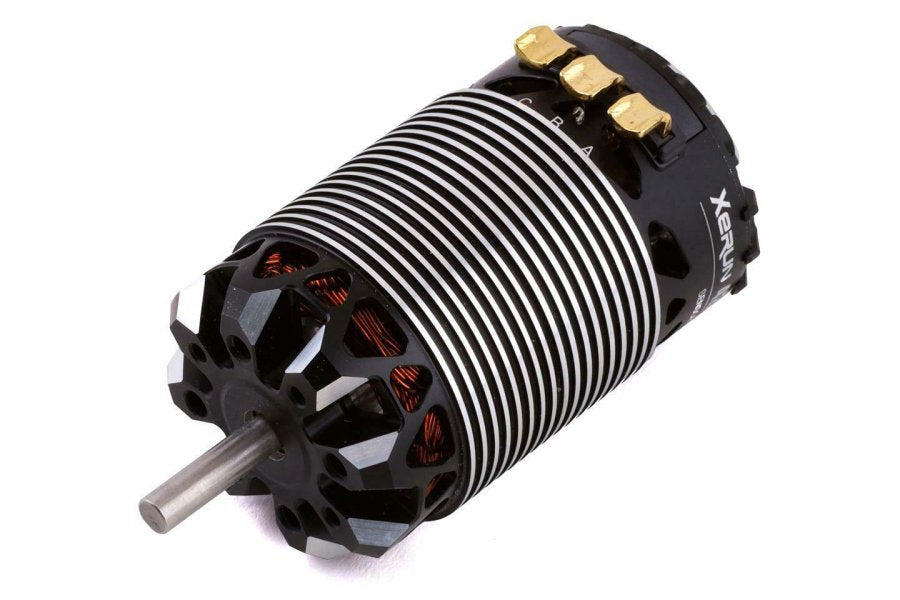
Choosing the right motor for your RC car can dramatically impact performance, maintenance, and your overall hobby experience. Whether you're upgrading an existing model or building a new setup, understanding the differences between brushless and brushed motors is essential for making an informed decision.
What is a Brushed Motor?
Brushed motors are the traditional motor type found in entry-level and budget-friendly RC cars. They use physical carbon brushes that make contact with a rotating commutator to deliver power.

Key Features of Brushed Motors:
- Simple, proven technology with decades of reliability
- Lower upfront cost makes them ideal for beginners
- Easy to maintain and repair with readily available parts
- Compatible with basic ESC (Electronic Speed Controller) systems
- Generates more heat during operation
- Brushes wear out over time and require periodic replacement
What is a Brushless Motor?
Brushless motors represent modern RC motor technology, using electronic commutation instead of physical brushes. This design delivers superior performance and efficiency, making them the choice for serious hobbyists and competitive racers.
Key Features of Brushless Motors:
- Higher efficiency translates to longer run times per charge
- More power output in a smaller, lighter package
- Minimal maintenance required—no brushes to replace
- Runs cooler and quieter than brushed alternatives
- Longer lifespan with proper care
- Requires a brushless-compatible ESC
- Higher initial investment cost
Brushless vs Brushed: Key Differences
Understanding how these motor types compare across critical performance factors will help you choose the right option for your needs:
Performance Comparison:
- Speed & Power: Brushless motors deliver 20-30% more power and higher top speeds
- Efficiency: Brushless motors convert more battery power into motion, extending run times by 30-50%
- Heat Management: Brushless motors run significantly cooler, reducing thermal stress on components
- Durability: Brushless motors last 2-3x longer due to no brush wear
- Maintenance: Brushed motors require brush replacement every 20-40 hours of use
- Cost: Brushed setups cost 40-60% less initially, but brushless offers better long-term value
Which Motor Type Should You Choose?
Choose a Brushed Motor if:
- You're new to the RC hobby and want an affordable entry point
- You're working with a tight budget
- You enjoy hands-on maintenance and tinkering
- You're running a casual basher or entry-level model
- You already have a brushed-compatible ESC
Choose a Brushless Motor if:
- You want maximum performance and speed
- You value efficiency and longer run times
- You prefer low-maintenance, set-and-forget reliability
- You're racing competitively or running high-performance models
- You're willing to invest more upfront for long-term value
Making the Upgrade
If you're considering upgrading from brushed to brushless, you'll need both a brushless motor and a compatible ESC. Many manufacturers offer combo packages that ensure compatibility and optimal performance. Always verify your RC car's specifications and available space before purchasing.
Ready to upgrade your RC setup? Explore our range of high-performance brushless motors and ESC systems designed for hobby-grade RC vehicles.

Leave a comment
This site is protected by hCaptcha and the hCaptcha Privacy Policy and Terms of Service apply.